Lee esta historia en español aquí.
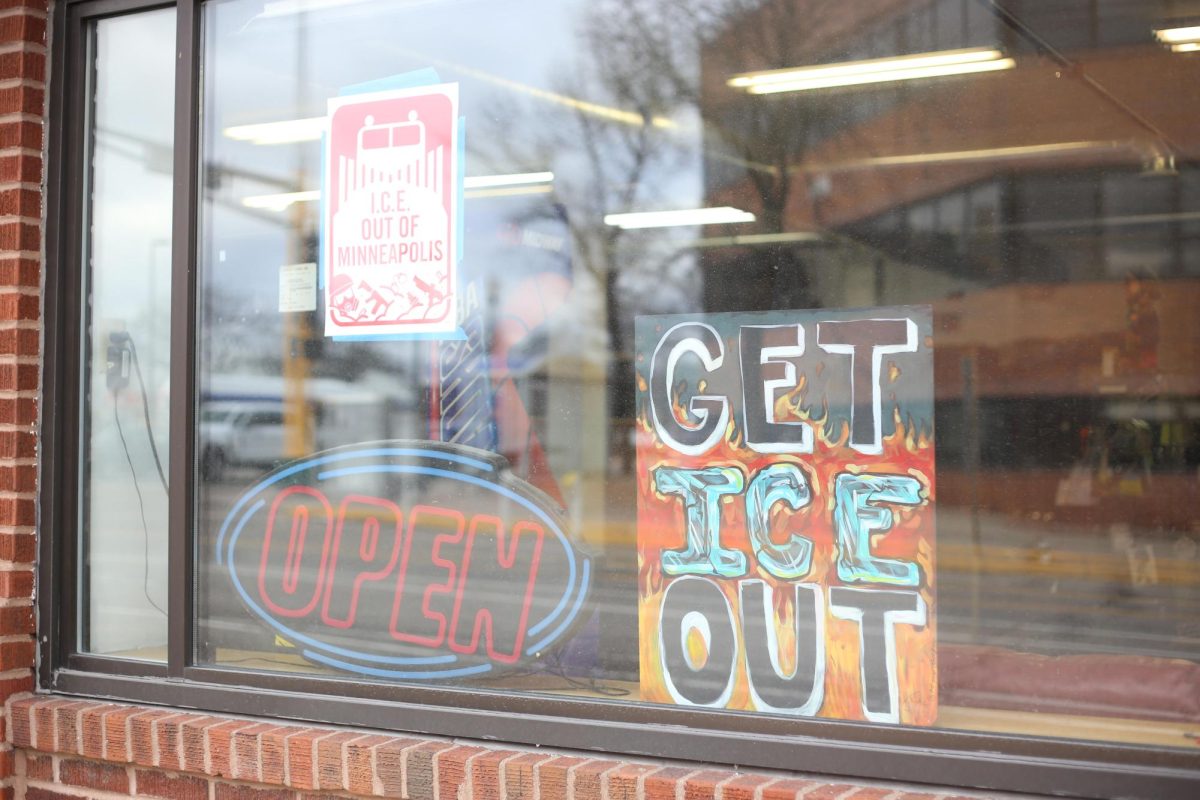
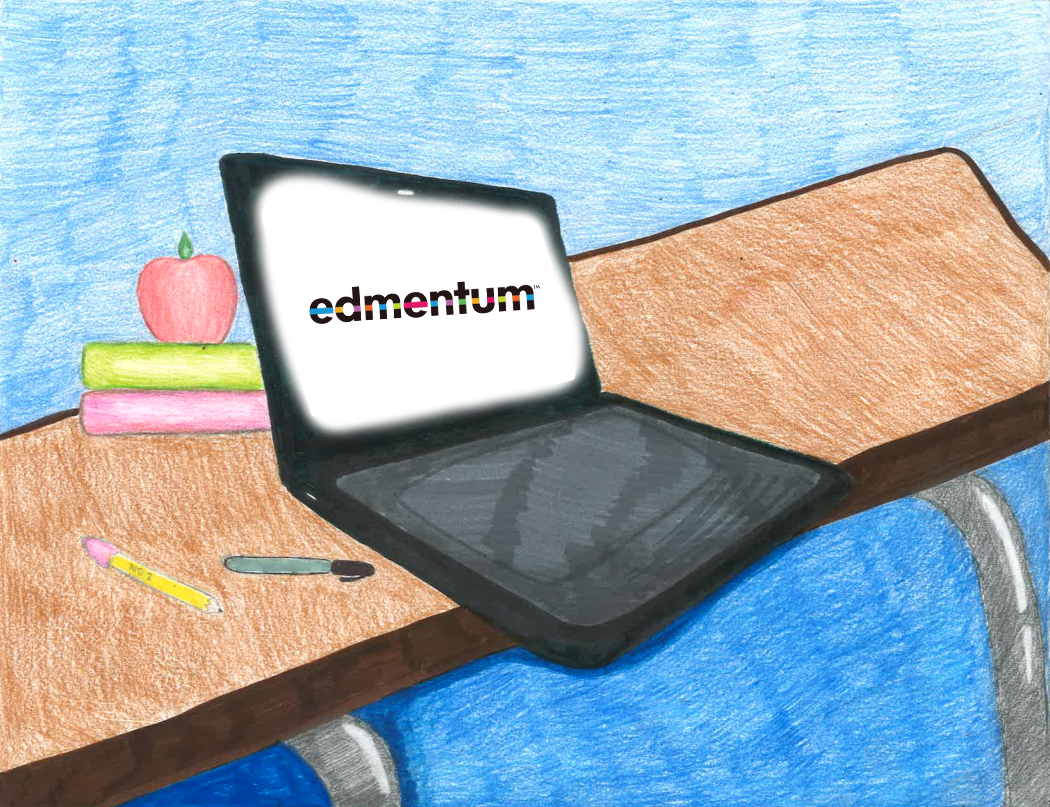
E-learning, otherwise known as virtual learning or distance learning, has caused a major shift in the American education system in recent years. Still often seen as a temporary fix for most situations, it has also become something closer to a permanent solution for some students who thrive more online than in a physical classroom. At Columbia Heights High School (CHHS), around a third of students transferred online to earn credits through the platform Edmentum during the third quarter of the academic year due to increased ICE presence after President Donald Trump’s Operation Metro Surge, but nearly all will return to in-person learning after spring break.
E-learning still requires students to attend classes, turn in assessments, and communicate with teachers (through email or Zoom), but ultimately, it’s the lack of socializing that can have a huge impact on a student who only learns virtually. To be clear, e-learning is really helpful to some students, as for some students, going in person stokes anxieties or brings with it concerns about safety and/or bullying. E-learning is arguably more flexible for students, as they are usually allowed to work at their own pace with a deadline that tends to be reasonable. This potentially reduces stress for students and allows them to focus more on understanding the content.
“Online [learning] has been very easy to understand,” Saadiya Saed (9) said. “Going at my own pace has been very helpful.”
Before the increase of ICE presence and panic in the Heights community, school felt like a safe place for many students and was simply part of their daily routine. With e-learning, education is thankfully more accessible to children whose families fear the commute to and from school buildings, which is inarguably a huge benefit. Students can often have a quieter learning environment at home compared to the struggle of a crowded, noisy classroom. And there’s no need to worry about extreme winter weather conditions or transportation issues..
However, the increase in students enrolled in online learning still raises concerns. Learning online at home without peers or immediate access to teachers means it can be hard to focus with distractions that are immediate, like Netflix, video games and more. Some students miss the social interaction that comes with in-person school too, like talking with friends between classes and participating in group activities, which can be seen as a distraction to some, but is also necessary for positive mental health. In turn, at CHHS, the hallways have become less vibrant and class sizes have reduced with the shift of so many students to virtual learning.
“I found myself being [quieter] around the hallways and in my classes because of the lack of people and quietness around the school compared to my freshman year,” Aleena Mohamed (10) said.
As schools such as CHHS adapt to new challenges like the ICE occupation of immigrant-heavy communities, they look to creative alternatives and opportunities for students. While online education has offered flexibility and continued access to learning, in-person school provides important social and academic benefits, and many look forward to as much of a “return to normal” as is possible for the fourth and final quarter of what has been an extremely stressful and eventful school year