Most teenagers today are familiar with short-form video content in one way or another, whether it’s TikTok, Instagram Reels or YouTube Shorts. It’s not just easy to pull out your phone and mindlessly scroll for hours — it’s scientifically proven to be addictive too. While a lot of people get videos of cute animals, GRWMs (Get Ready With Me, or morning/nighttime routines) or news, there’s a majority of people who scroll specifically for memes. Memes are all over the internet, with the trends surrounding them constantly changing. However, one trend in particular seems to be sticking around, and not for the better.
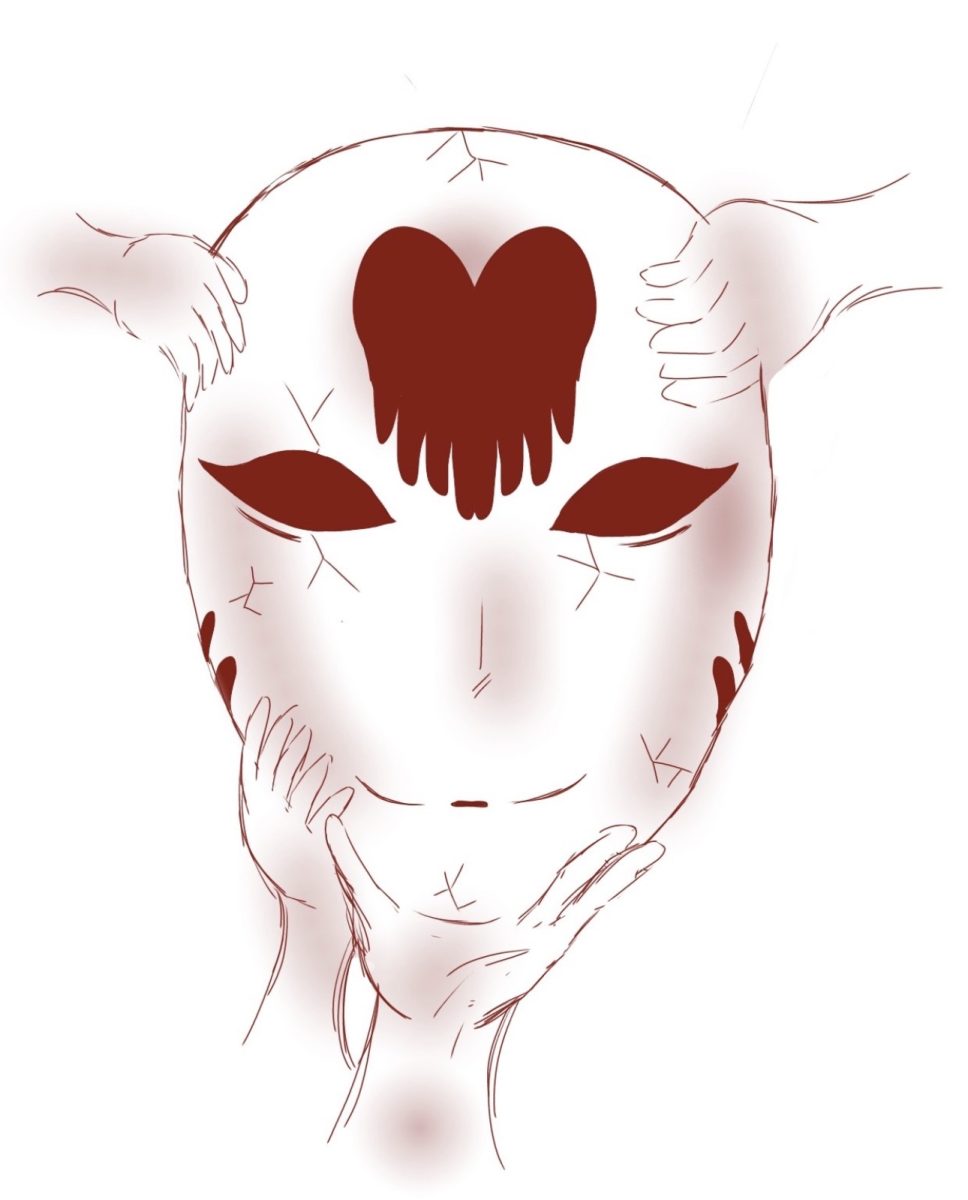
Recently, a disturbing trend has been rising on social media and is often disguised as memes. If you’re active on social media, there’s a good chance you’ve heard of “Agartha.” Agartha comes from a conspiracy theory that suggests there is a civilization of people living in the center of the earth, which is very closely related to the Hollow Earth theory, another viral belief that a habitable sphere of space exists where the Earth’s core is situated. Agartha began circulating as a meme online, with people getting accepted into Agartha by one another, becoming a trend. People in Agartha are typically described as having blonde hair, blue eyes and pale skin.
These people are talked about as being superior, which is incredibly similar to the ideas of white supremacists and the pseudoscience of the “Aryan race” that spread massively throughout Nazi Germany in the 1930s and ‘40s. These ideas being normalized, even while staged as a joke, can be very harmful to the views of young kids and even normalize passive racism.
“I think the ‘Agartha’ meme can be dangerous because it spreads the idea that good people are the ones [who] are white,” La’Kiah Kimp (12) said. “This way of thinking is white supremacy, and that should not be normalized at all, even as a joke.”
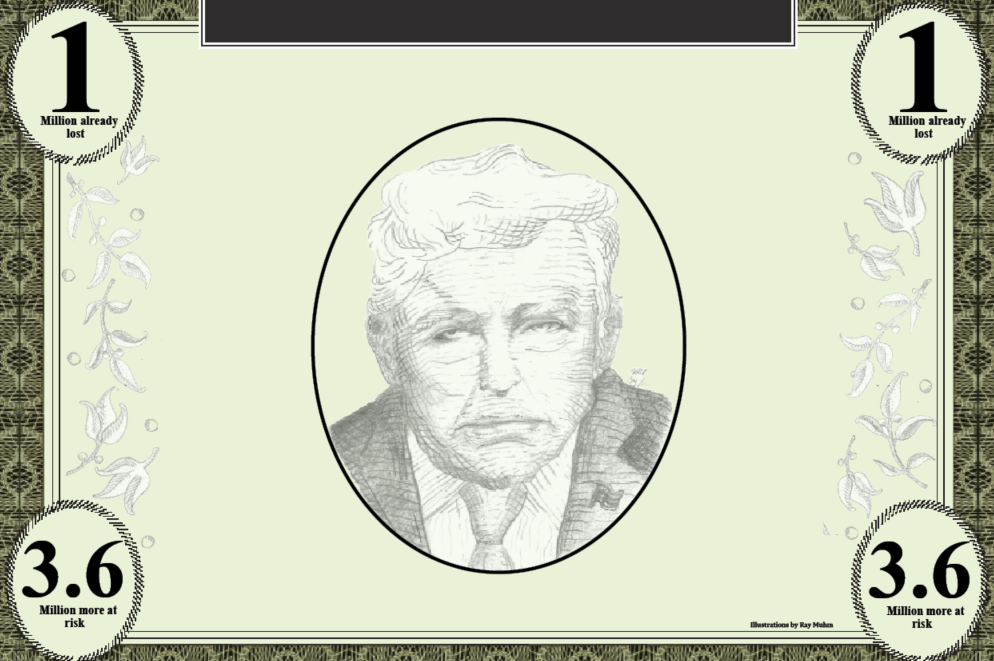
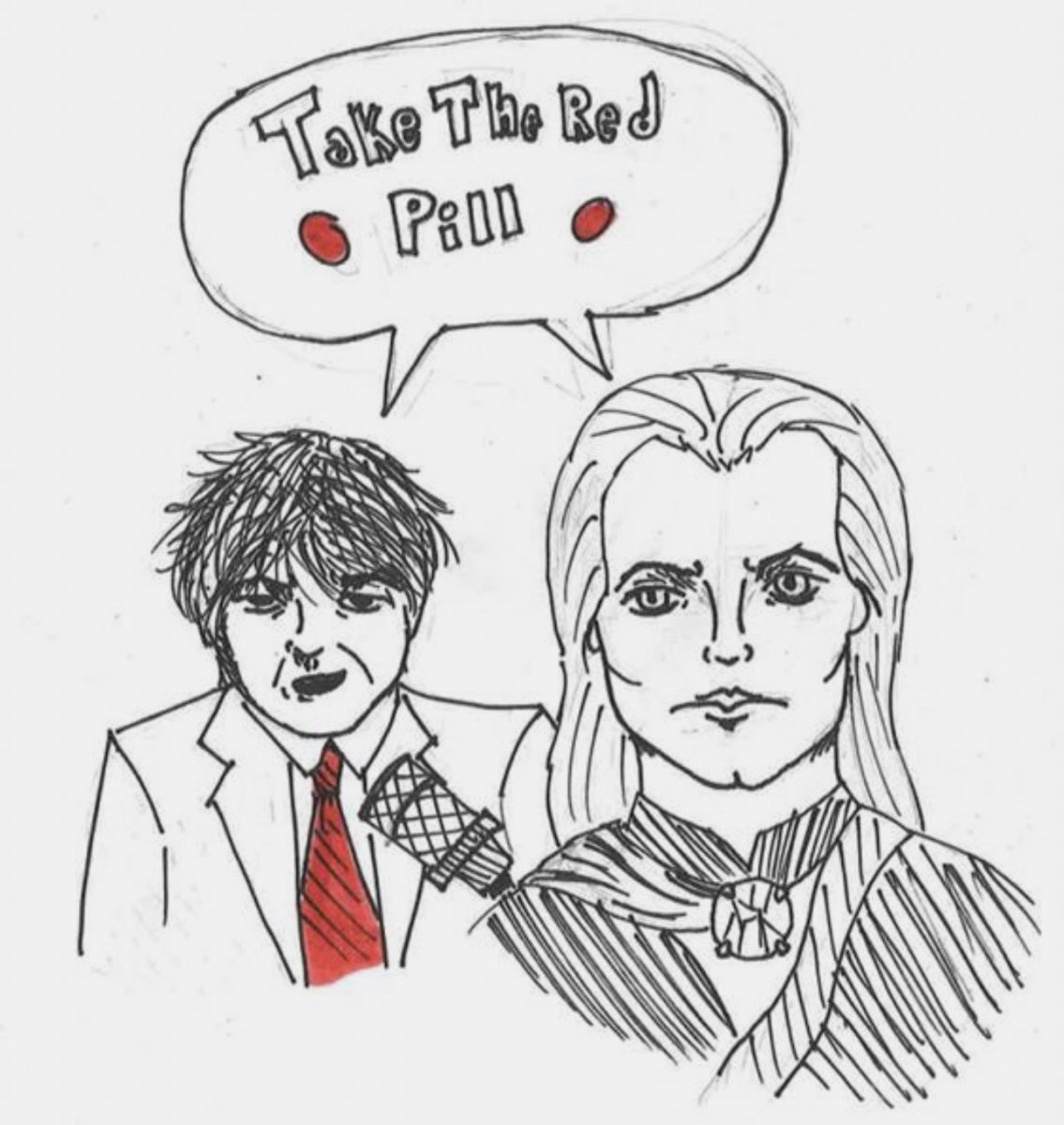
Another trend online has been the spread of political debate or talk show clips that espouse right-wing ideologies. This proliferation of videos of Charlie Kirk debates or Nick Fuentes monologues dates back nearly a decade, but recently, especially in the wake of Kirk’s killing in 2025, their popularity has only increased. Kirk and Fuentes might be viewed as simply content creators or — more generously — thought leaders, but in actuality, they’re merely grifters, using their political platforms to get their audience to pay for subscriptions, donate money to their “cause” and buy merchandise. Their main goal is always to make a profit and gain fame, and they’ll do or say anything to make this money.
Their online presences, as well as their various public speaking appearances and organizing efforts, perpetuate racist, Islamophobic, homophobic, transphobic and antisemetic conspiracies. People, especially young people, then buy into these beliefs after seeing them pervasively online, not to mention the community they offer, where the grifter will present these dangerous ideals as facts and often plug a membership or merchandise while they manipulate their growing audience.
“The reason we can’t platform people like Nick Fuentes, Charlie Kirk or other right-wing influencers is because [it] puts them in a position of power,” Cassai Snow (12) said. “Having the audience they have, the ideas they espouse spread very fast, and especially with [a] lack of critical thinking, these ideas are memeified and watered down, leading to mainstream consumption and propagation of racist, sexist [and] homophobic ideas.”
Joking online will always be around, and edgy jokes are especially popular in today’s day and age, but it’s important to realize that sometimes these “jokes” can be harmful to the public. It’s easy to think everyone knows you’re not being serious when you quote something incendiary that Nick Fuentes says, but there’s always someone who will agree, no matter how outrageous or clearly fake the statement is. Being conscious of the harmful backgrounds of these trends and the actions of these influencers can be very important in the age of the internet to stem the tides of hate and oppression.