ART
AI-generated art has been a large trend online, whether it’s an original meme or turning yourself into a Studio Ghibli film character.
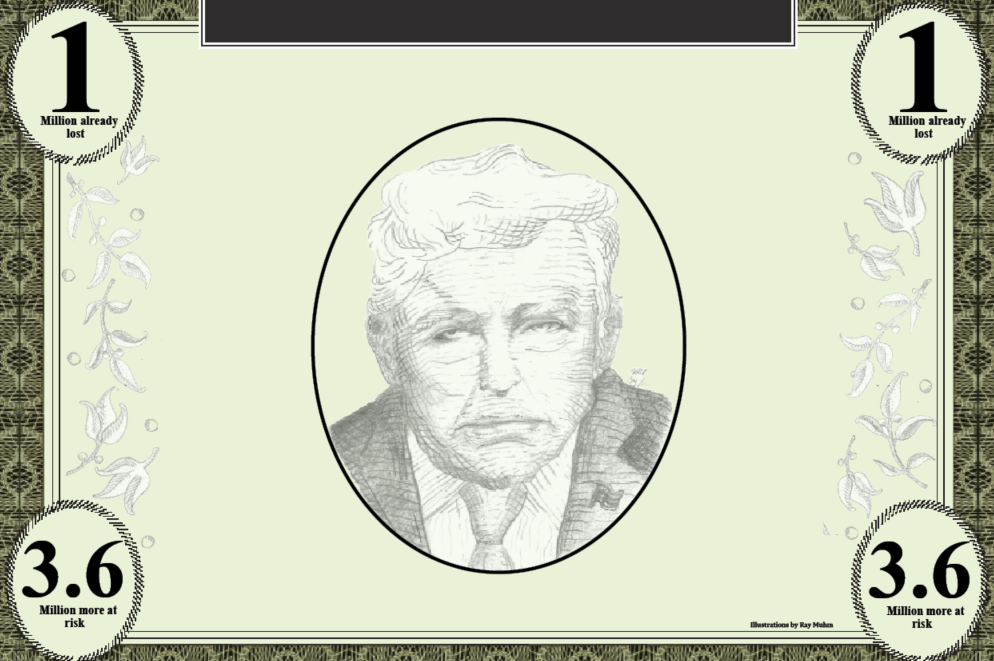
The use of AI for momentary personal fulfillment has become inescapable online because it’s so readily available for people to use. Instead of contacting and paying an artist, which takes time and money, why not just use generative AI to make it? However, this causal use of AI is extremely harmful to the art world, taking job opportunities from artists in favor of the soulless “art” AI generation provides.
Traces of art in caves date back to around 43,900 years ago; This is almost 3.66 times the years before Mesopotamia was active, which was approximately 12,000 years ago. Art has been integral in human development, advancing and shaping political movements such as World War II, even going back to ancient Egypt. Art depends on human experience and has been used as a tool for social reform—something generative AI cannot replicate. Generative AI draws from previous and current artists’ work, creating soulless images and stealing what artists built using a lifetime of experience. And if AI is shown to decrease cognitive function, which it has, it could also destroy not only creativity but also the advancement of politics and humanity. In the current polarized, destructive and fascist state of the world, humanity needs genuine art by actual artists more than ever.
The deprivation of true art leads to a normalization of generating visual images via AI rather than actually employing artists, buying their art and even recognizing the effort and imagination put into creation on both a technical and visionary level. The professional fields of animation, curation and many more have already started studying and tracking the economic impact on the industry. It is crucial to think before you laugh, repost or even submit a prompt for an AI-generated image.
ENVIRONMENT
The environmental impacts of AI are on track to be detrimental to the environment. A good way to think about it is this: every time you ask ChatGPT a question, that’s the equivalent of throwing away a full plastic bottle of water. The energy consumed by generative AI is a big emitter of carbon emissions, and uses fossil fuels to help run data centers. Data centers are large buildings like offices. They use AI for work but use cooling systems so that the offices don’t overheat. These cooling systems use large amounts of water and fossil fuels to function. With millions of people using generative AI every day, the demand for more energy grows, drastically increasing the negative impact.
“AI impacts the environment in a lot of huge ways,” Columbia Heights High School (CHHS) Environmental Science teacher Ms. Emily Shields said. “The biggest impacts we currently see are in water supplies and in the Heat Island Effect, in which areas housing these centers are hotter than surrounding areas. Fresh water is an already scarce resource that is being used to cool these data centers.”
Nearly 80% of people use AI several times a day, according to a Pew Research Center study from April. This is only furthering carbon emissions and climate change, as the manufacturing and disposal of AI hardware leads to excessive electronic waste, exposing the environment to harsh synthetic chemicals, as reported by the United Nations Environment Programme. This only goes to show how damaging to our natural world AI can be. Data centers, or sprawling facilities used to house computer systems, which have become more and more common with the advent of AI, use 4% of global electric energy—currently the single biggest contributing factor according to the International Energy Agency. This is on pace to rise even more through 2026, which will only continue to leave a devastating ecological footprint and further the damage we have bestowed on our planet.
BRAIN
Every student’s worst nightmare was just assigned to you – a random group final project worth 30% of your grade. You prepare yourself for the typical endeavors: the awkward interactions, the uneven work distribution, the forced friendliness of strangers. All of this existing dread is quickly overshadowed when one of your group mates suggests, “why don’t we just ask ChatGPT?”
Chat GPT is killing your brain, both intellectually and emotionally, at least according to MIT researchers. A recent study worked to explore how using AI to write an essay changes your brain activity compared to using a search engine or relying only on one’s brain. It was found that the participants who used ChatGPT to write their essays had consistently lower brain activity compared to the other groups. Additionally, it was found that ChatGPT users got lazier over time and began to rely solely on the AI application to do the work. The study may have a small sample size and lack peer review, but the study irrefutably suggests that AI usage could be seriously harmful.
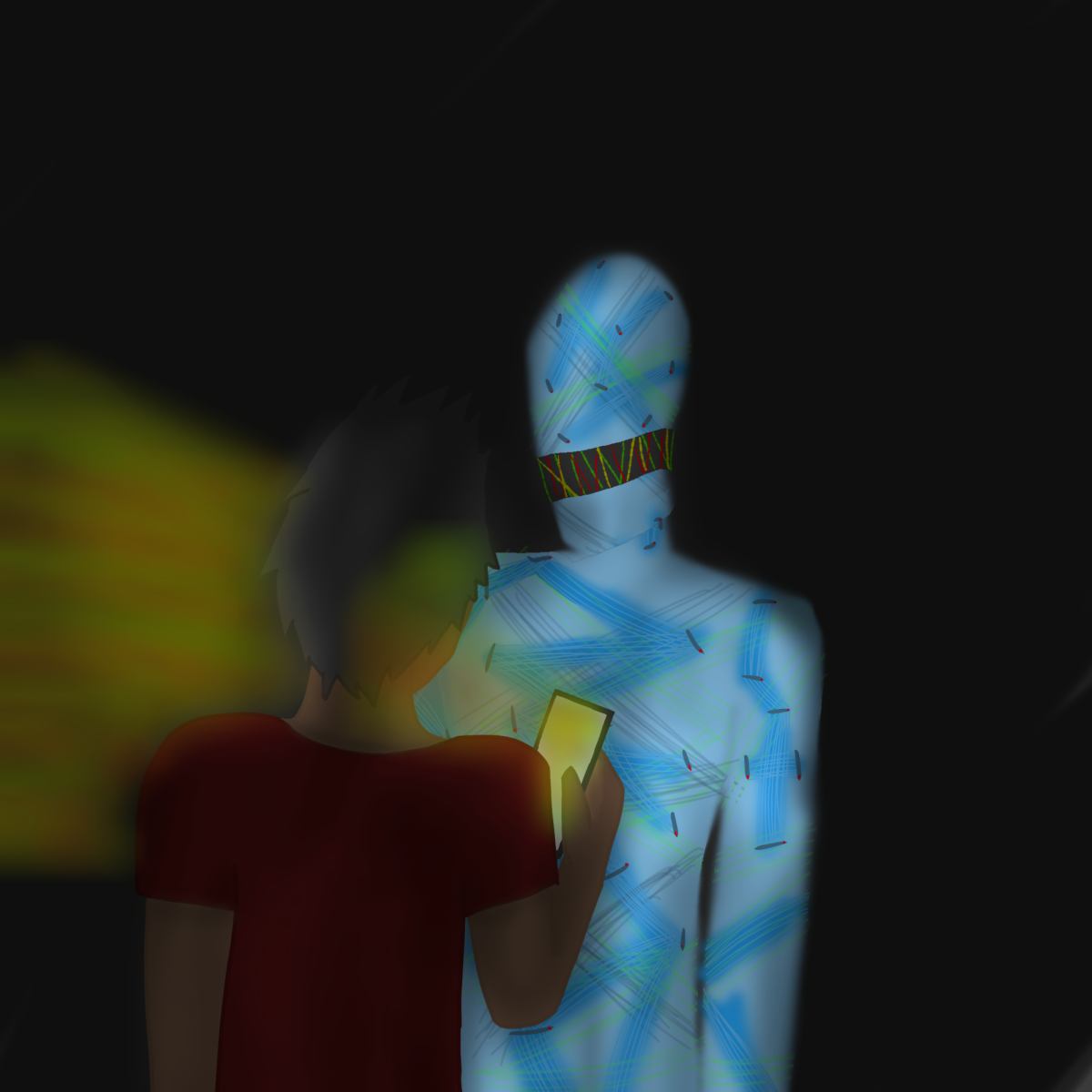
Socialization is one of the most important aspects of our lives; it helps us regulate our emotions and helps us better adapt to life. Human interaction is necessary for true socialization, but apps like C.ai and Chai let users have conversations and even phone calls with their favorite fictional characters or original AI bots. The allure of these bots seems to stand out to many introverts, as it creates the illusion of a friend behind a screen, which inm turn further discourages true human connection. Similarly, in March OpenAI and MIT collaborated on a study which suggested that the more time users spend talking to ChatGPT, the lonelier users feel.
These bots can be harmful to our psyche, but they can also become dangerous when used incorrectly. The limited regulations on AI have already led to real-world consequences. The heartbreaking story of Adam Raine, who was only 16 years old when he took his own life after being advised by ChatGPT, is a clear example of why AI needs more regulations and safety guards. AI is not a real person. It cannot be your friend and it cannot be your therapist.
The Heights Herald’s Official Statement
The Heights Herald staff of twenty-six Hylanders agrees: AI has no place in the classroom. Research has shown that using AI is harmful to young users’ brains, the environment and the arts industry. The integration of AI of any kind into our classrooms is a disservice to students and an insult to our hard-working staff.