According to the U.S. Department of Agriculture (USDA), the Supplemental Nutrition Assistance Program (known as SNAP) aids roughly 12.3% of Americans. That’s about 41.1 million Americans who rely on food support, a group that consists largely of children, seniors and other vulnerable individuals. For over a month, SNAP payments nationwide were frozen due to a U.S. federal government shutdown.
The SNAP program began back in 1939 under the name “food stamps” as a way to provide low-income families with food sources during the Great Depression. It became officially permanent with the passing of the Food Stamps Act in 1964. It’s been through a plethora of changes throughout the years, such as the introduction of Electronic Benefit Transfer (EBT) on reloadable cards rather than the stamps they would usually have to go and redeem at stores. In some cases, for food support, and in others, cash assistance to Americans struggling to pay their bills. The service has become a helpful part of people’s day-to-day lives and, for some, it’s the only way of getting food and other necessities when unemployed, unable to work or holding down a job that does not pay enough to provide for one’s family.
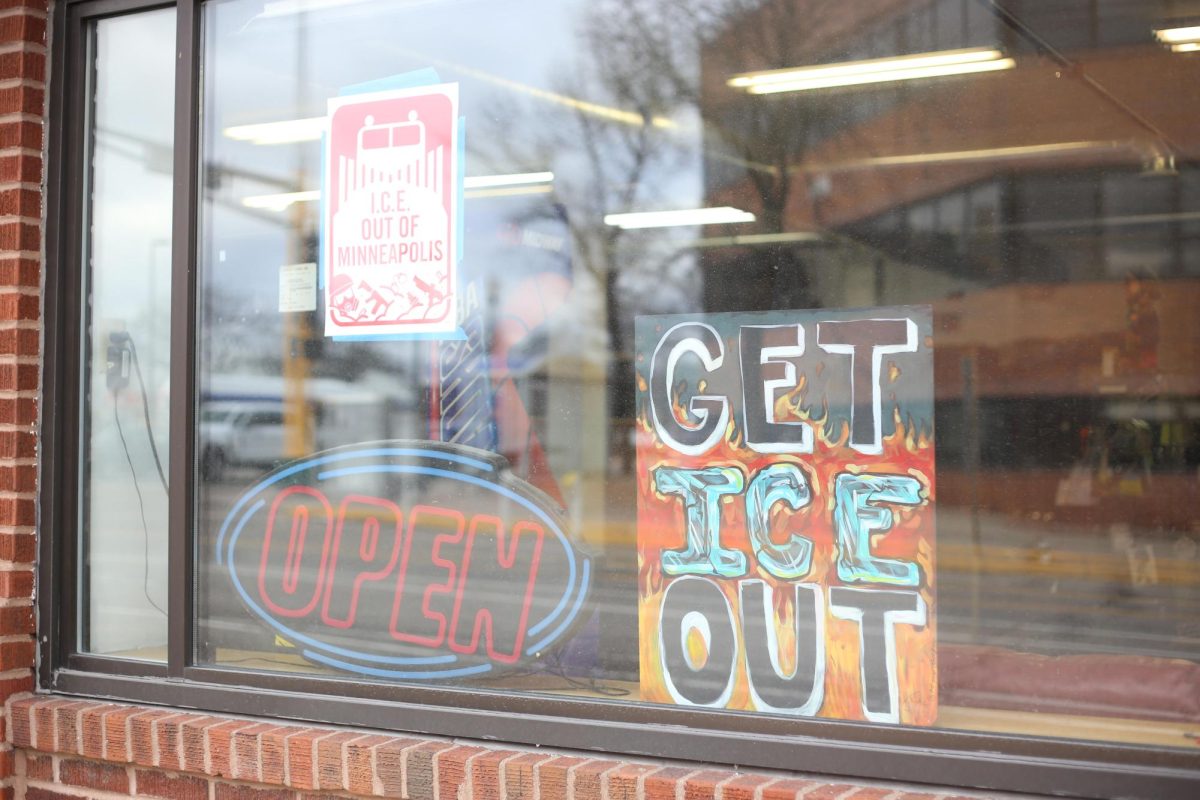
On November 12, the federal U.S. government ended its longest shutdown ever recorded, even longer than the 2018-19 shutdown. This had a major impact on government staff buildings and federally run programs because employees didn’t get paid, bringing numerous services to a close. President Donald Trump played a key role in the shutdown, suggesting tax breaks for the rich and one hundred fifty billion dollars toward ICE and their agents in the Republican-backed funding bill, while Trump blamed Democratic lawmakers for not signing the bill. From the Affordable Care Act to monthly energy assistance and more, many Americans felt the effects of the shutdown almost immediately.
“I think it sucks that people who need help and rely so heavily on the program have to suffer,” Ashley Sigcha Farez (11) said before the shutdown ended. “It´s especially sad for the kids who may have to go without a meal.”
Some Americans, depending on their level of need, only received 50% of their usual allotment or nothing at all. This put pressure on local food banks and other services that provide food for people, but none of these were designed for the long term like SNAP. People are rationing more than ever before because if this continues, they might not have access to food at all.
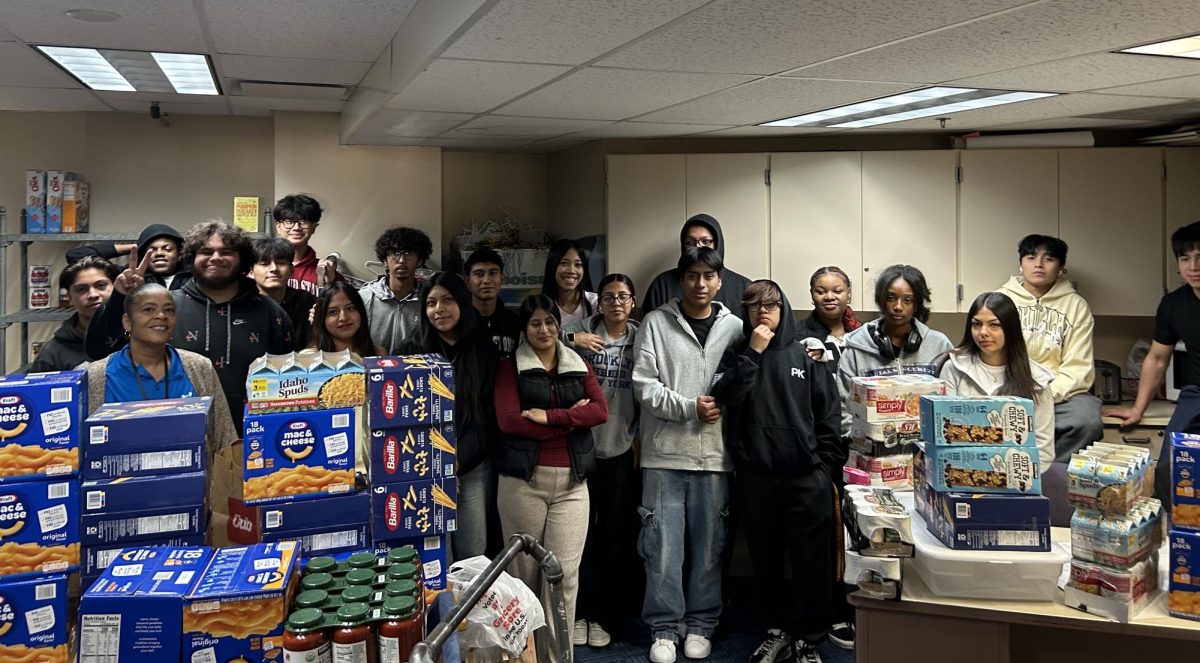
Schools play a huge role in helping families in need at this time. Free lunch programs, food drives and other resources are some of the driving forces helping to keep some households afloat. Whether it´s through donating non-perishable food or connecting people with resources, anything is helpful to people in our communities who may be struggling. Here at Columbia Heights Public Schools (CHPS), there remains an ongoing Staff Food Drive where district employees were and still are welcome and encouraged to bring in items to donate, and here at Columbia Heights High School (CHHS), study hall and Media Center supervisor Ms. Tanya Moore dedicates time to making bags for students to take home. Any student is welcome to show up and ask for a bag to bring to their family.
“With SNAP benefits being cut, we have a large percentage of students who [this affects], and we don’t want them to go hungry,” Moore said in early November before Minnesota Governor Tim Walz announced he would process SNAP payments despite the federal order not to.
In addition to benefits being reduced, food prices overall have increased immensely. According to the USDA, prices have increased by 26% since 2020, with a 3.1% overall annual increase between September 2024 and September 2025. And this is not even considering that certain basic and common items such as eggs, beef and coffee have seen an even more drastic increase due to disease and drought.
Thus, finding stores with affordable food can be hard to come by. Places here in Columbia Heights like Aldi, Mike’s Discount Foods and Dollar General are some of the few grocers who offer inexpensive shopping. Furthermore, Whole Foods and Kwik Trip both have microwaves that people can use to have a warm meal and cozy meal that everyone deserves. Even some local restaurants like Pizza Man and Yummy Bites stepped up and announced to their community that anyone in need could show up for free hot food during the shutdown.
Now that SNAP benefits are in the midst of being fully restored, it’s a good time for a reminder that reaching out to local legislators and using one’s voice as an American citizen is always a powerful tool that will continue to prevail.