
Former President Barack Obama once said, “Asking for help isn’t a sign of weakness, it’s a sign of strength. It shows you have the courage to admit when you don’t know something, and to learn something new.” There is an outrageous amount of stigma surrounding asking for help when you need it, which is extremely detrimental to youth, especially in today’s day and age. At Columbia Heights High School (CHHS), students have access to resources that can support them academically, physically and mentally, yet many hesitate to use them. This reluctance is not accidental; it is rooted in fear, cultural norms and long-standing misconceptions about what it means to need help.
Asking for Help: Why Is It So Hard?
For many students, asking for help feels uncomfortable, embarrassing or even shameful. According to Exploring Therapy, people often avoid asking for help because “we think it makes us weak,” “we’re afraid others will judge [us]” and “hyper independence was modeled for us, [while] asking for help was shamed.” These beliefs can cause individuals to struggle in silence, even when help is clearly needed.
Not seeking help only reinforces unhealthy expectations and discourages vulnerability. This mindset is especially harmful for young people, who are still learning how to navigate challenges and advocate for themselves. At CHHS, these fears are reflected in students’ daily experiences in and outside of school, where the pressure to appear independent can outweigh the benefits of receiving support.
“I believe that children my age often find it hard to reach out for help because doing so might make you seem weak and incapable,” BeGlad Kasongoma (12) said. “A time I needed help but never asked for it was when I was in seventh grade, going through [a] major change. I never had the urge to reach out [because] I wanted to stay true to my pride and at that time, [and] accepting help would mean failing and being looked at as incapable.”
Cultural Reasons for Not Using Available Resources
Beyond individual fear, cultural expectations play a major role in whether people seek help. The National Library of Medicine reports that “the attention people give to any physical or emotional sensation is ‘filtered through’ cultural models,” which shape how people interpret struggle, strength and self-reliance.
In many cultures, distress is viewed as a personal failure rather than a sign that support is needed. According to medical researcher Denise Arnault, “symptoms of distress or illness can be interpreted as indicating signs of moral weakness, physical frailty, or failure to carry out important social roles.” Because of this, individuals may experience shame, humiliation, anxiety or fear and avoid disclosing their needs. This cultural pressure is often passed down through generations, reinforcing the idea that handling problems alone is a measure of strength.
“In my household, asking for help was seen as a weakness. Plain and simple,” Columbia Heights Public Schools (CHPS) parent Michelle Barber said. “We weren’t middle class, and we were probably not even [middle-]lower class, but we weren’t struggling to the point where people felt sorry for us either, and that mattered a lot. There was this pride about ‘handling our own business.’”
Barber’s experience reflects how cultural expectations can discourage families from accepting assistance, even when it could improve the quality of life.
The Donation Closet
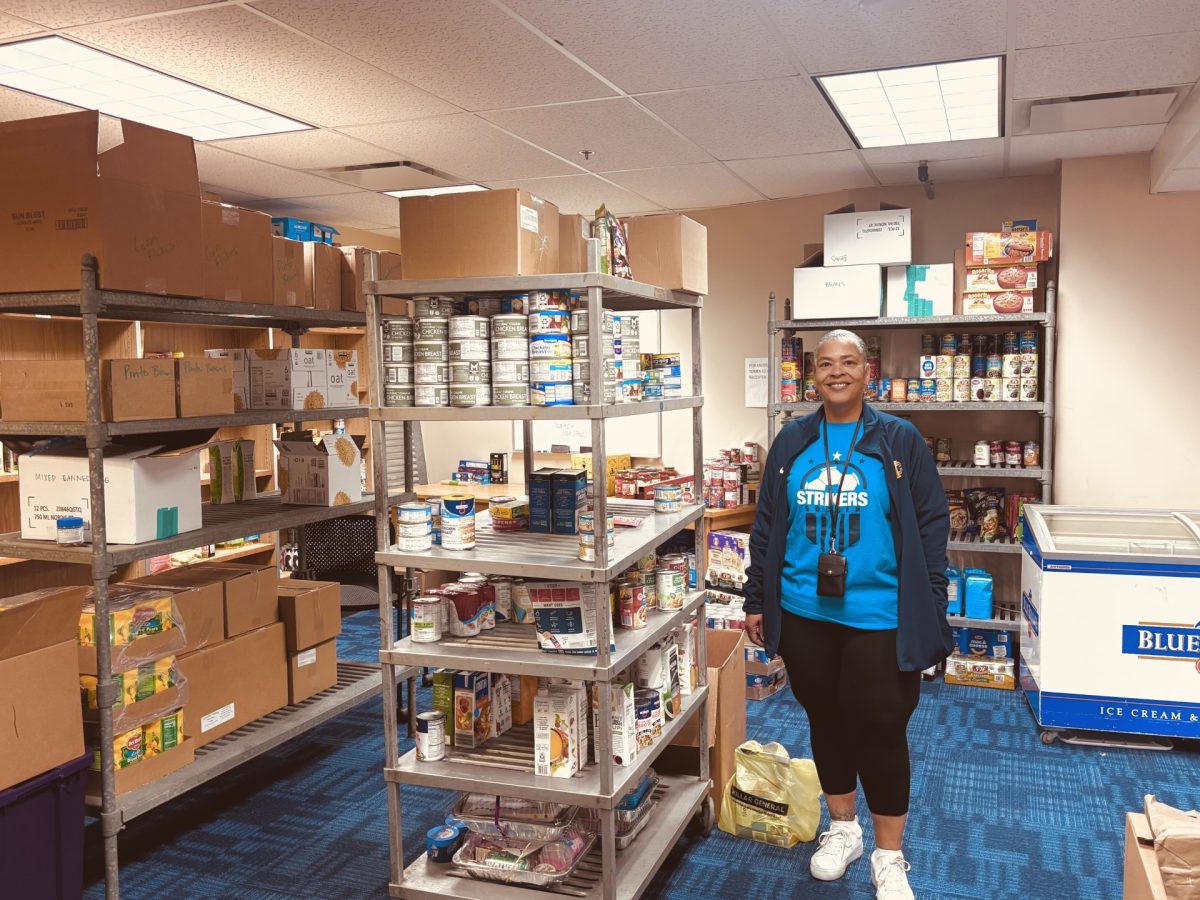
One tangible example of support at CHHS is the donation closet, which is located in the Media Center and provides students with access to free food, clothing and other necessities.
“The Closet is a place any student can come get food, clothes, shoes, hygiene products and toiletries,” Media Center Supervisor and donation organizer Mrs. Tanya Moore said. “Before everything with ICE, there [were] a lot of students [who] were hesitant to come in and grab food items. “They would ask if they could do it after school, or if they could do it when their friends weren’t around [or] asked to leave early,”.
While these resources exist to help students succeed, stigma often prevents them from being fully utilized. By normalizing the use of resources like the donation closet, schools can help reduce shame and ensure students’ basic needs are met, allowing them to focus on learning.
Moore explained that the donation closet is designed to be a judgment-free space where students can access whatever they need without being questioned or required to share personal information. To protect students’ privacy and dignity, only one student is allowed in the closet at a time, and bags are provided so others cannot see what items they take.
Asking for Help Beyond Physical Items: Mental Health Support
Asking for help is not limited to physical necessities. Mental health support is just as critical. According to Compass Health Center, “asking for help is an act of bravery.” Compass’s Director of Adolescent Programming, Carolyn Weisman, writes that “lack of awareness and misconceptions about mental health perpetuate stigma towards those who take steps to gain support,” which can increase isolation and make problems worse. It also notes that “many mental health diagnoses, if left unaddressed, can worsen over time,” making early intervention essential. Recognizing when help is needed — such as experiencing changes in emotions, unhealthy coping mechanisms or feelings of hopelessness — is a crucial step toward healing.
At CHHS, students also have access to dedicated mental health professionals who are there to support them through both emotional challenges and resource-related concerns. The school’s two social workers, Cathy and Caitlin, both have offices located in the back corner of the main office, making them easily accessible to students throughout the day. In addition, the school’s therapist’s office is located in the Media Center, a familiar and central space for many students. These adults are trained to listen without judgment and help students navigate stress, mental health concerns, family situations or questions about accessing resources like food, clothing or outside support. Students are encouraged to reach out to any of them with questions or concerns, whether they are struggling mentally, feeling overwhelmed or unsure of where to turn for help. Seeking out Cathy, Caitlin or Amanda is a proactive step toward well-being and a reminder that no student has to face their challenges alone.
A Brighter Future Through Support
Not asking for help can have lasting consequences, from academic struggles to declining mental health. When students have internalized stigma, they limit their own growth and well-being. However, using available resources can change outcomes.
As Weisman writes, “asking for help is not merely a sign of courage; it is part of the foundation of growth and well-being.”
When students take advantage of support systems at CHHS, they are not admitting failure — they are investing in their futures. Breaking the stigma around asking for help starts with the conversation, education and the courage to reach out. With the right support, students can move forward stronger, healthier and more prepared for what lies ahead.