
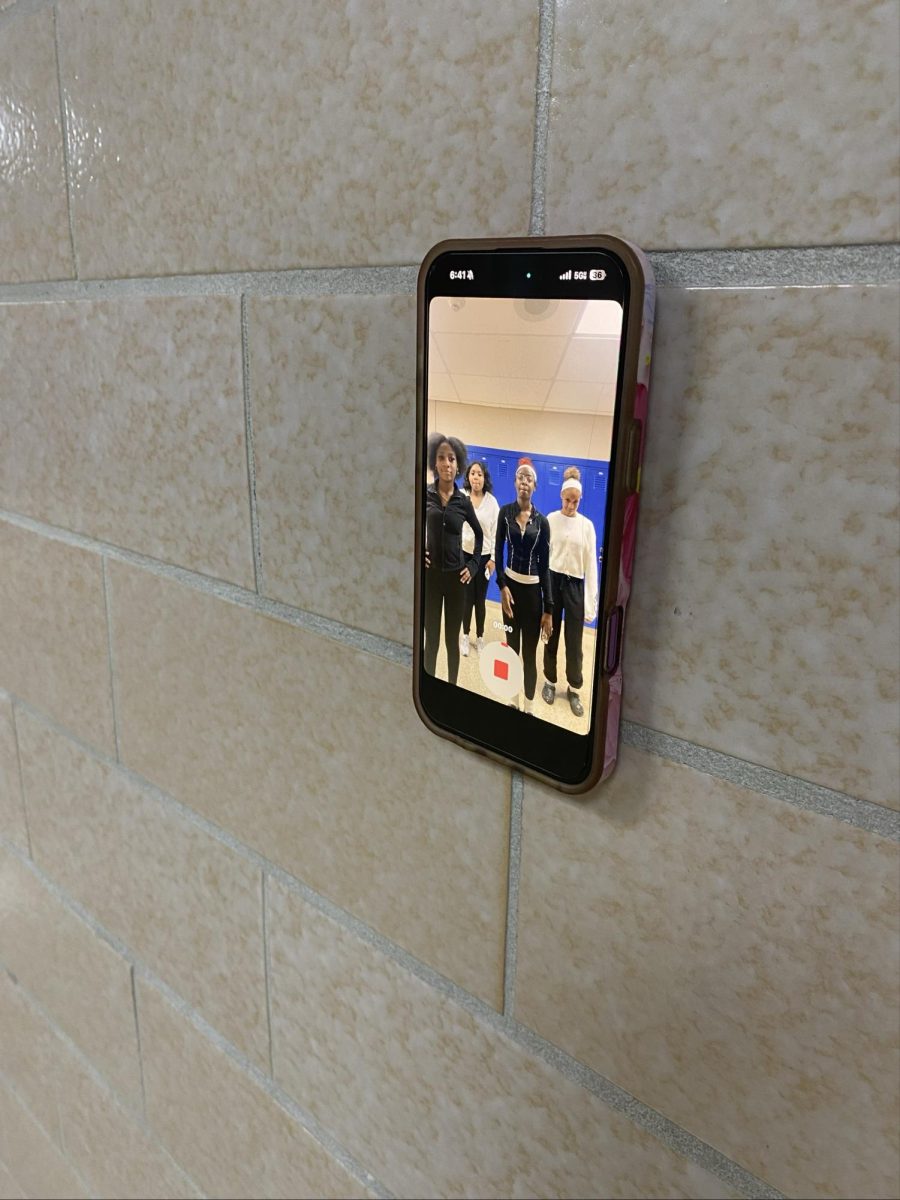
Sometimes a dance is just a dance, but sometimes, especially when it’s filmed and circulated online, it can become something much worse. Since 2018, choreographed dance routines have gone viral worldwide on social media platforms — specifically TikTok, and this has caused some parents to become concerned that many of these dances being posted, viewed and shared are not appropriate. At best, it’s just kids having fun and appreciating the art of dance, and perhaps it’s often just the songs’ lyrics that are inappropriate, but at worst, these are children (often unwittingly) sexualizing themselves in public.
How can this be combatted? Some say that there shouldn’t be kids on TikTok or any other social media, period, while others would go even further and say kids shouldn’t have phones at a young age. In addition to dance videos, platforms like TikTok can also be a huge source of bullying, harassment, stress and peer pressure to act or be a certain way. Even if a kid posts a video of themselves dancing innocently to a song they enjoy, there is a possibility that people will make hateful comments. It is because of these types of situations that some countries, like Spain, have gone so far as to ban social media for children under 16 — to avoid the issue completely.
Most parents in America, however, will give their kids phones for things like communication purposes, like wanting to call or text them while they’re at school, or in case of emergencies. If a child needed to call their parents and tell them that they will be home late, then they would need a phone to do so. If they didn’t have one, then it would be harder for parents to contact their child when they are in a crisis. The downside that often comes with this is that with access to a cell phone comes access to social media, and 95% of youth ages 13-17 use social media. Furthermore, even with filters and content blockers, parents often don’t know what their children post or look at online, making them unaware of so many dangerous photos, videos and more that their kids have access to and come across frequently.
“I know what my children are posting,” Columbia Heights parent Tyrome Williams said. “As for what they watch, no, I don’t know what they are watching all the time unless they show me the video themselves.”
Of course, TikTok and other apps don’t only negatively affect children; they can affect them positively as well. For example, many creators will post breakdowns of what’s happening in the news right now or a historical topic that you might not know a lot about. This helps children learn differently and engage with subject matter outside of the classroom. Similarly, TikTok dances can show children a form of art, creativity, freedom and talent — all without the expenses or inconvenience of a dance studio.
But just like some TikTok “journalists” can spread misinformation or disinformation, some dance accounts are not appropriate for children because kids can wind up sexualizing themselves to the entire internet, including pedophiles and other kinds of abusers. Just like a schoolteacher or professional reporter is more trustworthy and reliable than an influencer on social media or podcaster, actual dance coaches and studios are always going to be more attentive to the needs of children than users chasing engagement online.
“People want the likes and the followers,” Jaianna Bickham (11) said. “They are smart enough to know people like to see ‘skin,’ which is why it starts to [become] sexualization.”
In an attempt to find out how old our community here in Columbia Heights feels is old enough for a child to use social media responsibly and avoid these kinds of dangers, I asked a few local adults what they think is the ideal age for having access to platforms like TikTok and why. The majority of the respondents said 15 or 16 years old because of how “social media misleads children” into thinking things that may not be true or encourages harmful behavior. One respondent added that “it depends on the child’s maturity as well,” and that it may fluctuate among potential users, making some kids more adaptable to the content on social media.
The hard truth is that without legislation and enforcement, minors, or individuals under 18, will continue to post video and photographic content that adults will sexualize. Yes, some parents and caregivers bear some responsibility, but the fact is that some dances aren’t for children, and it’s not realistic to expect families to self-police social media use in their homes, much less outside of their homes at school or in public spaces, which is where a lot of TikTok dances are filmed. Not all children will get the message of what constitutes a “sensual” dance vs. a more innocent one, and honestly, perhaps they shouldn’t have to. And yet, this is the world we find ourselves navigating — one where a kid simply cannot be shielded from the horrors of the world.