
Thrift stores are commonly associated with low-quality, dirty secondhand items, but in reality, this is very far from the truth. Thrifting has continuously been a lifeline for people who are unable to keep up with the normality of consumerism, allowing a less costly alternative for working-class communities.
In recent years, thrift stores have taken off on the internet and become trendy for people of all socioeconomic backgrounds. A popular method for acquiring clothes, furniture and other household goods, thrifting is turned to in times like today when the rising cost of living starts affecting the middle class too.
One of the most significant factors popularizing thrifting is social media. Many creators on YouTube, TikTok and other platforms advocate for it as a form of eco-friendly shopping and affordable shopping, as well as posting about reselling and buying stuff for cheap at thrift stores to sell for a profit online.
There is a large market of resellers that use apps such as Depop to buy inexpensive items with trendy looks, from Harley Davidson-branded clothing and accessories, vintage single-stitch tees and Carhartt items, then turn around and sell them for a large markup. sometimes up to 1000%. For example, a seller on Depop will take a ripped old Carhartt jacket from a thrift store for $12, wash it and sell it for up to $120 or more. Due to this re-selling being so common, though, thrift stores have capitalized on the fact that people will pay these high prices. As a result, many thrift stores have started raising their prices on items or even selling their more desirable or vintage items online, as opposed to just keeping all products in store for the more affordable prices they usually charge.
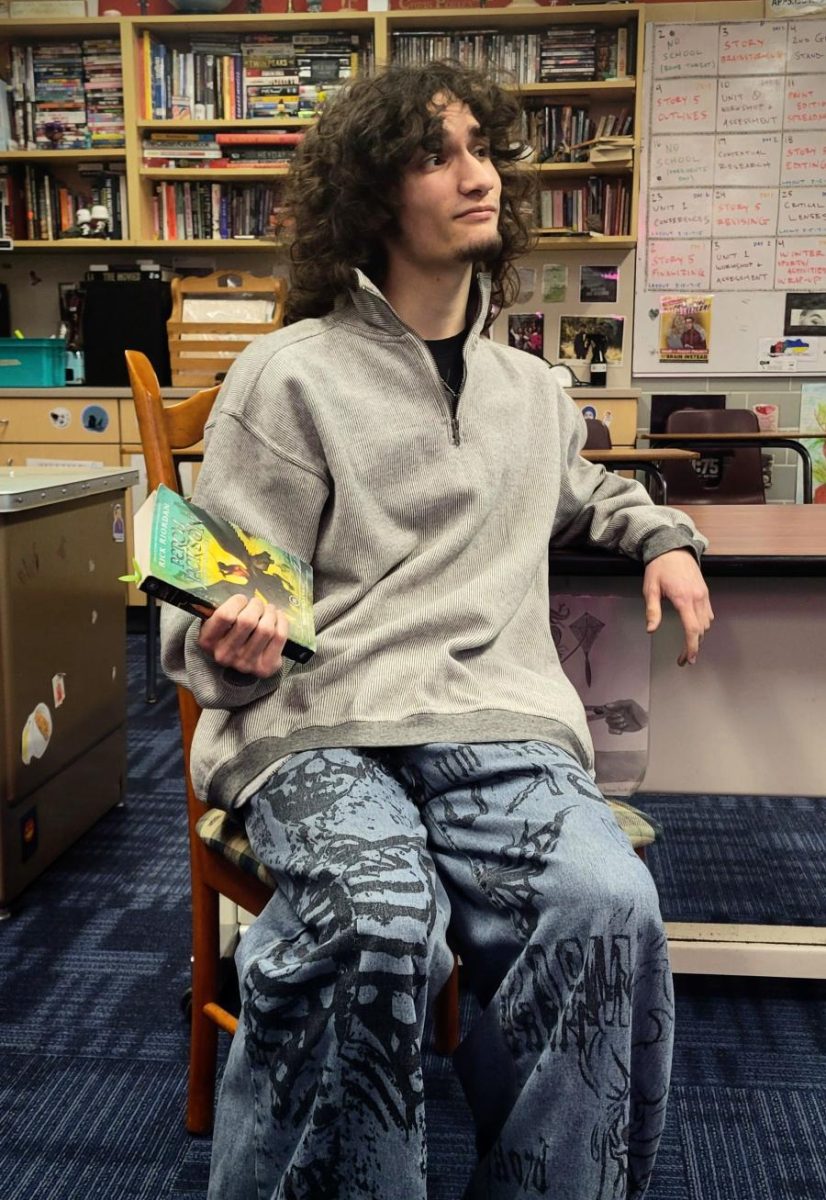
“[I] understand why price gouging is happening, because of reselling and online scalpers, but I think it harms the people who actually need access to affordable clothing,” Graydon Evans (12) said.
One of the more popular thrift chains in the contiguous United States is the company Value Village, which promotes reuse and environmentalism on its website, but unlike Goodwill or ReStore, they are a for-profit company. They purposely use elusive language so the average shopper wouldn’t assume they’re for profit. Value Village is popular and easy to find, but there are better alternatives.
Secondhand stores have been around for decades, although the prominence of them as a source for style as opposed to, or in addition to, sustainable living really took off in the 60s and 70s. However, they have seen a resurgence in modern times, following Y2K and other style trends present today. Thrift stores are major resources for environmentally conscious and money-conscious shoppers, as avoiding fast fashion brands online or outlet malls is a far more sustainable practice because people take what already exists and repurpose those items that would’ve otherwise been thrown away. And for anyone who thinks buying new doesn’t have a huge toll on the environment, think again.
“I thrift because fast fashion [consists] of items of poor quality. So if you end up at thrift stores, you normally get things that are older and made from higher quality materials,” CHHS science teacher and self-professed environmentalist Mrs. Aimee Candella said. “[I] like how the environmental impact is much [smaller] when thrifting, [as] it takes 1,600 gallons of water to make one pair of jeans, and just think about how many pairs of jeans the average person owns.”
One of the more prominent thrift store chains in the U.S. is the Salvation Army, whose Family Store and Donation Centers are found all over the country, with three locations in the Twin Cities metro area alone. The Salvation Army is a Christian nonprofit that has many resources for people below the poverty line. They fund shelters and food shelves for homeless individuals around the country, and their stores’ prices are unaffected by price gouging, trying to hold lower prices in order to keep clothing low-cost for those in need.
While better than Value Village, Goodwill is not the best company to support if you want to put your dollars toward local businesses and universally accessible clothing, so what are? Some examples of similar nonprofit thrift stores that are locally based include Family Pathways (Northern MN), Hidden Treasures (Saint Anthony) and St. Vincent De Paul Twin Cities (locations in both Minneapolis and St. Paul).
No matter what your preference may be, a quick Google search can always help alleviate a little guilt and go a long way. Always be sure to check the website or policies of a particular secondhand store if you want to make sure their donated goods are non-profit to ensure your shopping experiences help your wallet, the environment and the community.